


Yukon blog
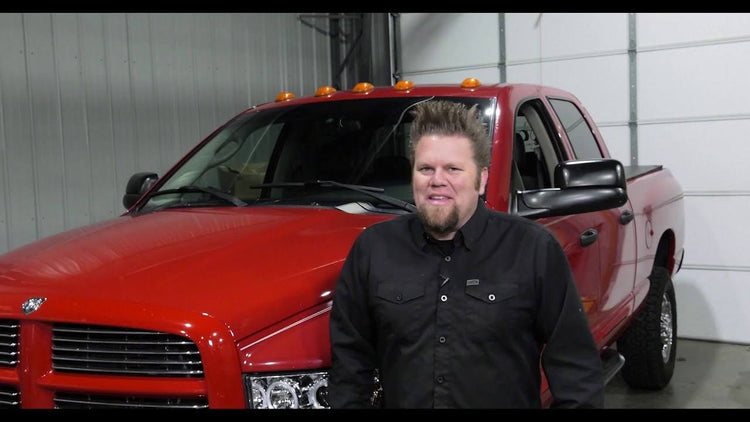
Ian "Big Tire" Johnson Spin Free Installation Video
Yukon Spin Free KitsFreewheeling in the Name of Fun and Efficiency Ian Johnson, the host of the TV show “Four Wheeler” on the MotorTrend Network, runs through all the details involved in installing a Spin Free Kit in the accompanying video. The four-wheel-drive systems on some Dodge and Jeep applications are engineered to turn the front axles and transfer case gears when the vehicles are in two-wheel drive mode. This is wasteful on two fronts. First is the wear and tear factor… which is complicated by the fact that these systems feature non-serviceable, failure-prone bearing assemblies. Then there’s the negative impact all the energy used turning the front drivetrain has on fuel economy. Yukon Spin Free Kits swoop in like a superhero to save the day by allowing the front drivetrain to freewheel. These kits replace the failure susceptible and expensive factory unit bearings with serviceable tapered bearings and races. The result is not only a design which is easier and more economical to maintain, but one that offers significant increases in fuel efficiency because mpg-stealing parasitic drag in the front drivetrain is reduced. Each Spin Free Kit includes new wheel hubs, spindles, high-strength Yukon 4340 chromoly outer axles, Yukon Hardcore premium locking hubs, high-quality bearings and seals, and all the hardware needed for installation. Kits are accompanied by a limited lifetime warranty against manufacturing defects for as long as you own the vehicle. Wasted effort is frustrating. Unnecessary wear and tear and costly repairs are frustrating. Sacrificing fuel efficiency is frustrating. Yukon Gear & Axle Spin Free Kits relieves the frustration and makes your rig less expensive to maintain while allowing it to run longer between fill-ups. It’s a win-win. About Ian Johnson A former high school auto shop teacher, Ian first hit the big time in 2005 as part of Spike TV’s Powerblock weekend programming. Ian co-hosted the popular “Extreme 4x4,” a hardcore how-to show that highlighted the building and modifying of off-road vehicles. After the Powerblock was cancelled in 2013, the show transitioned to Xtreme Off Road (XRO) on Paramount’s Power Nation programming block. Ian left XRO in 2017. He appeared briefly on “Big Tire Garage” before manning the helm of the highly successful “Four Wheeler” show when it debuted in 2019. Like his TV segments, this installation video goes full-tech as Ian highlights all the critical steps with enthusiasm and depth as only he can do. With his big hair and big fabrications skills, Ian is a well-known personality in the off-road industry. Check it out.

Understanding Differential Noise: Part 1
Many things can go wrong inside a differential. Although the hints are often subtle, most impending failures give fair warning in the form of noise. Recognizing Gear Noise Several situations can create ring-and-pinion noise. If the gears have been quiet and begin to howl, they’re likely worn or wearing. If the gears howl during deceleration only, the pinion-bearing preload may have loosened. Howling under acceleration at all speeds indicates that something inside the differential—gears, pinion, or carrier bearings—has worn or no longer keeps proper gear alignment. If the gears howl only while accelerating through a certain speed range, it’s often a sign of wear caused by lubrication failure or overloading. When a newly installed gear set howls, suspect an issue with the gear design or setup. Identifying Bearing Noise A common problem is worn carrier bearings, usually indicated by a low-pitch rumble above 20 mph. On vehicles with C-clip axles, the noise may change while cornering. Worn pinion bearings can cause whirring noises at all speeds, under both deceleration and acceleration. Because the pinion rotates faster than the carrier, pinion-bearing issues tend to produce a whir rather than a rumble. Severely worn bearings can also cause a howl if they fail to support the gears correctly. Wheel Bearing Troubles Worn wheel bearings can be tricky to diagnose. A completely failed bearing will announce itself loudly, but one that’s only starting to fail can be deceptive. Turning sharply from side to side can help isolate the problem, but don’t be fooled—a bad right-front bearing can sometimes make noise while turning right, even though the load is shifting differently than expected. When the Gears Go Silent (But the Vehicle Doesn’t Move) Sometimes a failure won’t make much noise—until it’s too late. If the pinion spins but the tires don’t rotate, you could be dealing with broken spider gears. This type of failure often ends with a loud crunch as the gears give way. A broken ring gear can allow the vehicle to move a few feet before grinding or banging as the damaged teeth meet the pinion. Depending on the ratio, a broken pinion tooth will clunk roughly every two or three feet of travel. Broken Axles and Gear Imperfections A broken axle is easy to spot. On a C-clip-style axle, the shaft can slide out of the housing—or even fall out—without unbolting anything. On bolt-in-style axles, you’ll usually notice the wheel cambering inward as the shaft fails. A high spot on a gear tooth can sound similar to a broken gear but only makes noise while accelerating or decelerating. A high spot on the ring gear produces a heavy click about every eight feet, while a high spot on the pinion is much more frequent and noticeable due to its faster rotation. Listen and Inspect Early Whether it’s a howl, whir, rumble, or clunk, differential noise is a warning. Listen closely—catching a small problem early can save your gears, bearings, and wallet from major damage. When in doubt, remove the cover or third member for inspection. Spotting a failing part before it destroys others is always worth the effort. Popular Resources: New Gear Break-In Properly Setting Preload with Side Adjusters Size Matters